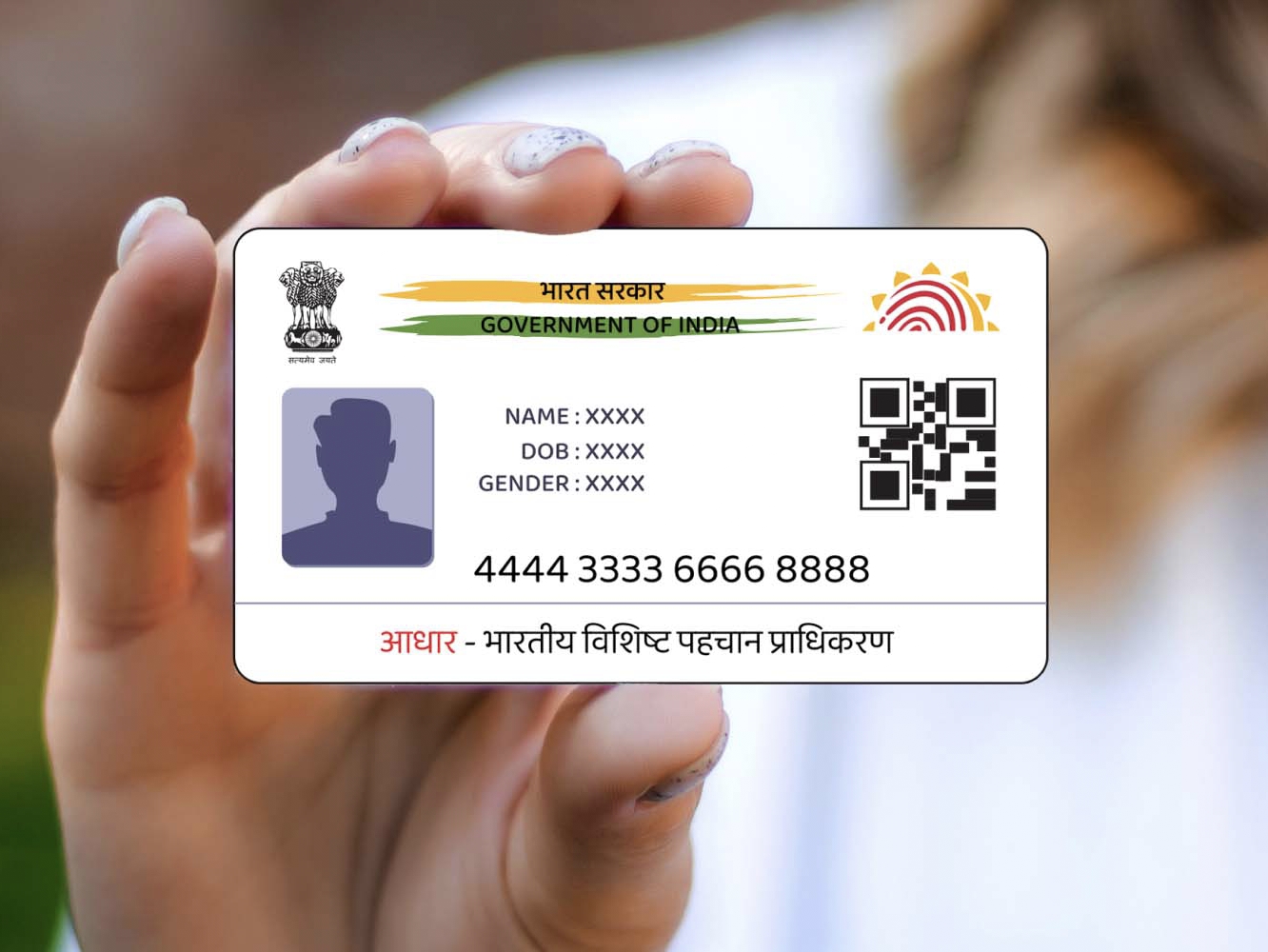
From Static Copies to Secure Identity Layers
The integration of Aadhaar into Google Wallet represents a structural shift in how digital identity is stored and used in India. For years, users relied on screenshots, PDFs, or scanned copies of their Aadhaar cards stored locally on devices. While this method offered convenience, it lacked both security and authenticity, exposing sensitive personal data and offering no reliable way to verify whether a document was genuine or altered.
The newly introduced system replaces these static formats with verifiable credentials — a cryptographic framework that allows identity data to be authenticated directly, rather than visually inspected. This fundamentally changes the role of smartphones from passive storage devices into active identity verification tools.
A Coordinated Push by UIDAI and Google
The rollout, officially announced on April 28, 2026, is the result of a collaboration between UIDAI and Google. The initiative reflects a broader move toward standardized, secure digital identity systems that align with global developments in credential verification.
By embedding Aadhaar into Google Wallet as a verifiable credential, the system ensures that identity data is encrypted, selectively shared, and authenticated at the point of use. This reduces reliance on physical documents and minimizes exposure of sensitive information.
This is less about storing an ID and more about proving identity securely, without overexposing personal data.
The rollout of Aadhaar verifiable credentials in Google Wallet marks a meaningful evolution in India’s digital infrastructure. By replacing static document storage with secure, verifiable identity systems, the initiative sets the stage for a more efficient and privacy-aware digital ecosystem.